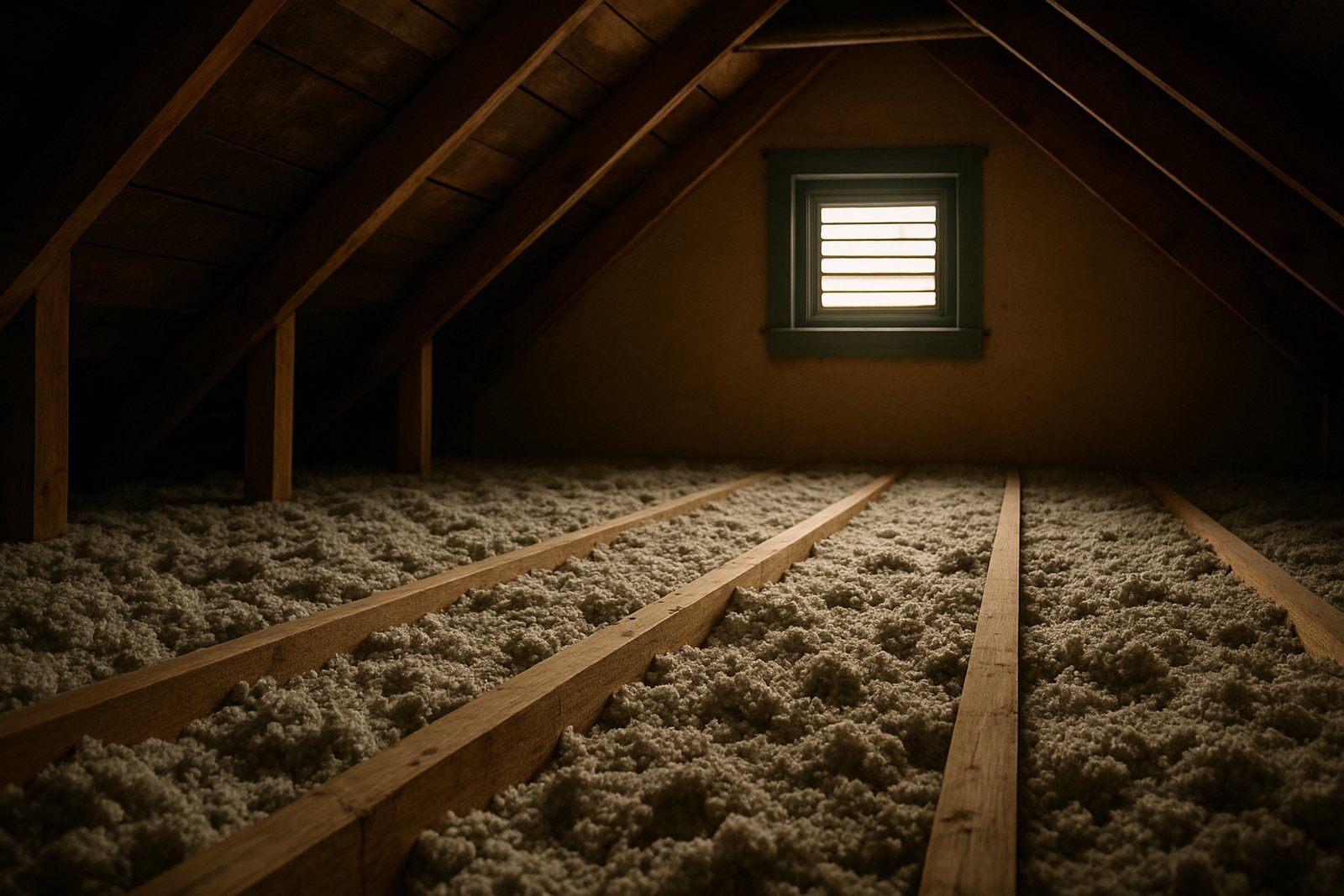
Insulation & air sealing
Attic Insulation Guide: How Much R-Value You Need and What It Costs
How much attic insulation you need by climate zone, how to check what you have, which material to choose, DIY vs pro, and why to air seal first.
Topics
Short answer
Air sealing means closing the gaps that let outside air into your home and conditioned air out. The biggest leaks are usually hidden in the attic and basement, not just around windows and doors. Use caulk for gaps up to 1/4 inch, spray foam for larger ones, and weatherstripping on anything that moves. Have gas appliances safety-tested afterward.
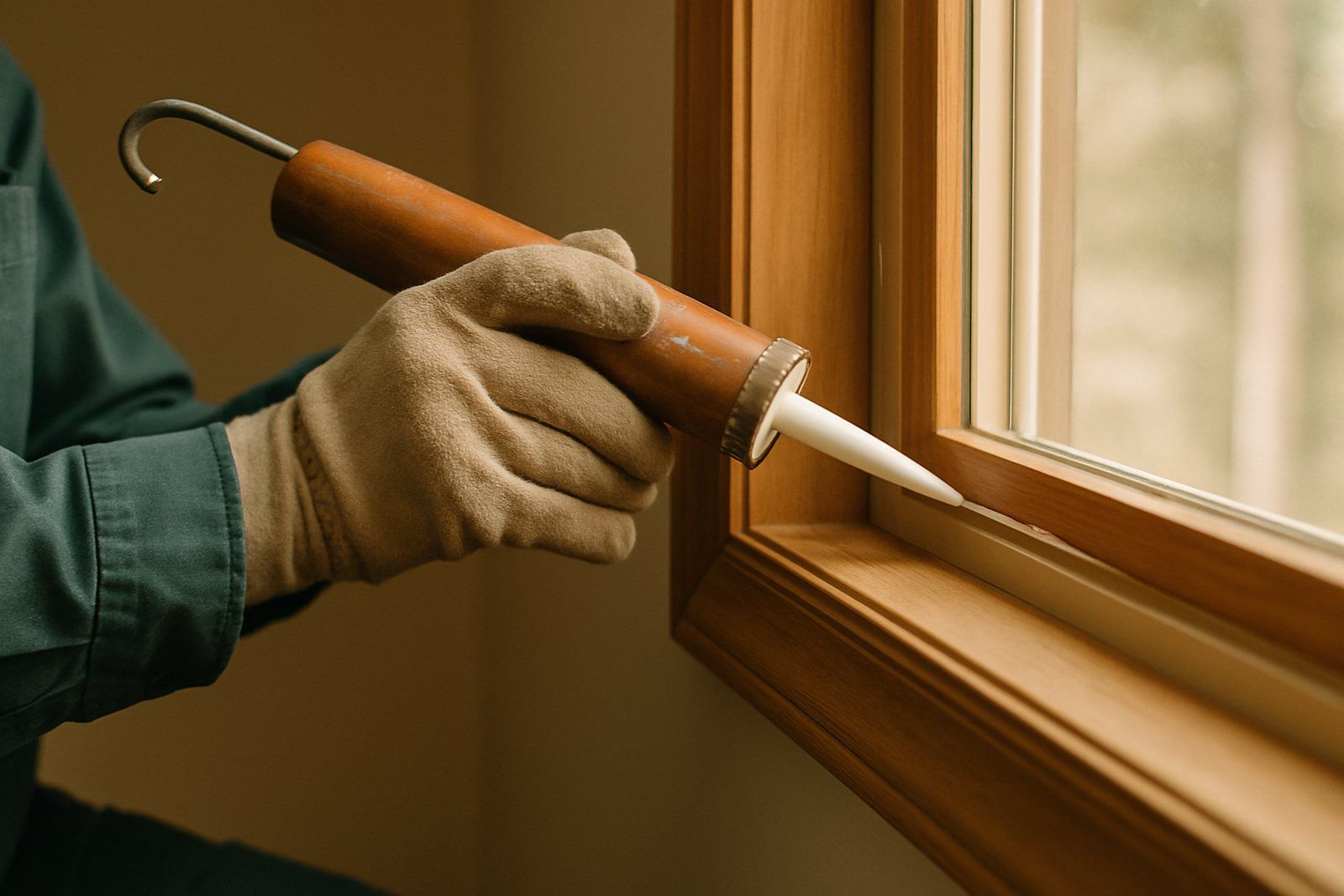
Air sealing is one of the cheapest ways to make a home more comfortable and lower heating and cooling bills. The U.S. Department of Energy (DOE) calls it one of the most cost-effective upgrades you can make. This guide shows where homes really leak, how to find leaks, what you can seal yourself, and the safety checks that keep a tighter home healthy.
Air leaks let heated or cooled air escape and pull outside air in, so your heating and cooling equipment works harder. ENERGY STAR says that if you added up all the leaks, holes and gaps in a typical home’s envelope, it would equal having a window open every day of the year. Sealing them improves comfort and cuts waste.
DOE explains it with a simple picture. Insulation is like a sweater: it keeps you warm, but wind blows right through it. Air sealing is the windbreaker. Without it, even a well-insulated house can feel drafty, with cold floors, hot upstairs rooms and uneven temperatures.
The U.S. Environmental Protection Agency (EPA) estimates homeowners can save an average of 15% on heating and cooling costs, or 11% of total energy costs, by air sealing and adding insulation in attics, floors over crawl spaces and basements (ENERGY STAR, accessed October 2026). Leaks also carry moisture into walls and attics, where DOE notes it can warp wood and lead to mold.
Source: ENERGY STAR (EPA): Why Seal and Insulate; Attic Air Sealing Project; Duct Sealing (as of October 2026).
The most noticeable drafts are around windows and doors, but the biggest leaks are usually hidden. DOE identifies at least 19 key air sealing areas in a typical house. The attic floor and the basement or crawl space are usually the top targets, because warm air rises out through the top of the house and pulls cold air in at the bottom.
This “stack effect” means a hole in your attic floor matters more than a similar-sized gap in a middle-floor wall. Here are common leak spots and what fixes them, based on DOE and ENERGY STAR guidance:
| Leak location | Where to look | Typical fix |
|---|---|---|
| Attic floor penetrations | Plumbing vents, wiring holes, top plates of walls | Caulk (small) or spray foam (larger) |
| Dropped soffits and kneewalls | Over kitchen cabinets, bathroom vanities, behind kneewalls | Rigid foam or foil board sealed at edges; stuffed batts in open cavities |
| Chimney and flue chases | Gaps around furnace flues and chimneys in the attic | Aluminum flashing and high-temperature caulk (no spray foam) |
| Attic hatch or pull-down stairs | Edges of the hatch | Weatherstripping and an insulated cover |
| Recessed lights | Can lights in top-floor ceilings | Sealed, IC-rated replacement fixtures (electrician) |
| Rim joists and sill plate | Top of the basement or crawl space wall | Caulk for gaps up to 1/4 inch, spray foam for larger |
| Windows and doors | Trim, sashes, door bottoms | Caulk around trim; weatherstripping and door sweeps |
| Wall penetrations | Pipes, dryer vent, outdoor faucets, cable lines | Caulk or spray foam |
| Ducts | Joints in attic, crawl space and garage ducts | Mastic or metal foil tape |
If your ducts run through an attic, crawl space or garage, leaks there waste air you already paid to heat or cool. ENERGY STAR says about 20% to 30% of the air moving through a typical duct system is lost to leaks, holes and poorly connected ducts. Seal reachable joints with mastic or metal tape, not cloth duct tape, which ENERGY STAR says is not long-lasting.
You can find many leaks on a cool, windy day with simple tests. ENERGY STAR suggests holding a lit incense stick near likely leak spots and watching for smoke that wavers or gets pulled in or out, feeling for cool air with a damp hand, and looking for daylight around door and window edges.
Try these checks:
These checks find the obvious leaks. DOE notes that the DIY approach will not catch small, hard-to-find leaks, especially in attics where they are buried under insulation.
A blower door test measures how leaky your whole house is and helps find hidden leaks. An auditor uses it with an infrared camera to see where outside air is coming in. Testing before and after sealing shows how much the work actually helped and whether the home needs added ventilation.
DOE points to two nationally recognized certifications for home energy professionals: the Building Performance Institute (BPI) Building Analyst and the Residential Energy Services Network (RESNET) Home Energy Rating System (HERS) Rater. A blower door test is usually part of a full professional home energy audit, and many utilities subsidize audits.
Start with the biggest, easiest-to-reach leaks, then work down to small gaps. Match the material to the gap: caulk for narrow, still cracks, spray foam for wider holes, and weatherstripping for parts that move, like doors and window sashes. Expect most DIY air sealing to cost little in materials.
ENERGY STAR estimates a DIY attic air sealing project takes 1 to 3 days and under $100 in materials. Windows themselves leak too: if yours are old and drafty, see our guide to energy-efficient windows and storm windows before deciding on replacement.
It can if you ignore ventilation and fuel-burning appliances. A tighter home holds in moisture and pollutants, and ENERGY STAR warns that sealing can cause naturally venting gas or oil water heaters and furnaces to backdraft exhaust gases, including carbon monoxide, into the house. Professional testing before and after sealing prevents this.
DOE says that before sealing, it’s essential to know how much fresh air the house needs and how combustion appliances such as furnaces, water heaters, stoves and fireplaces get their air. ENERGY STAR recommends that a home performance contractor test oil- and gas-fired appliances before and after air sealing.
That testing is often called a combustion appliance zone (CAZ) test. The technician runs exhaust fans, the clothes dryer and the furnace blower together to create a “worst case” pressure in the room with the furnace or water heater. Then they check that exhaust still goes up the flue and measure carbon monoxide. If an appliance fails, it must be fixed before or alongside the sealing work.
DIY air sealing usually costs little, and EPA estimates that air sealing plus insulation saves an average of 15% on heating and cooling costs. Savings are larger in colder climates and leakier, older homes. Professional work costs more but finds hidden leaks, so get at least three written quotes that list the areas to be sealed.
In EPA’s modeling for the ENERGY STAR savings estimate, a 1970s or 1980s home with a 25% cut in air leakage plus added insulation saved about 16% of total energy costs in the coldest climate zone and about 5% in the warmest (ENERGY STAR methodology, accessed October 2026). Your results will depend on how leaky the house is now, your climate and your energy prices.
Source: ENERGY STAR (EPA), savings methodology (as of October 2026).
| Climate | Share of total energy costs saved |
|---|---|
| Zone 1 (warmest) | 5% |
| US average | 11% |
| Zone 8 (coldest) | 16% |
Air sealing is a low-cost, high-value fix. Focus on the attic floor and basement rim joists first, use caulk, foam and weatherstripping where each fits, and seal ducts with mastic or metal tape. If you burn gas, oil or propane at home, install CO alarms and have a professional test your appliances before and after sealing. Then add insulation on top of the sealed surfaces.
Insulation slows heat moving through walls, ceilings and floors. Air sealing stops air itself from moving through cracks and holes. The Department of Energy compares insulation to a sweater and air sealing to a windbreaker: you need both to stay warm on a windy day. That is why air sealing usually comes first, and insulation goes on top of the sealed surface.
A home can become tight enough that moisture, odors and pollutants build up without enough fresh air. The answer is not to leave leaks open but to seal deliberately and ventilate on purpose, using bathroom and kitchen exhaust fans vented outdoors or a whole-house ventilation system. A blower door test before and after sealing tells a professional whether added ventilation is needed.
CAZ stands for combustion appliance zone, the area where a furnace, boiler or water heater that burns gas, oil or propane sits. A CAZ test checks whether those appliances still vent their exhaust properly when exhaust fans, the dryer and the air handler are running. Technicians also check for carbon monoxide and gas leaks. It is a standard part of professional air sealing work.
Use caulk for narrow gaps of about 1/4 inch or less, such as around window and door trim. Use expanding spray foam for larger gaps up to about 3 inches, such as pipe and wire holes. For wider openings, stuff in insulation or fit rigid foam board first. Never use spray foam around hot metal flues or chimneys. Use high-temperature caulk and metal flashing instead.
No. ENERGY STAR warns that duct tape is not long-lasting. Seal duct joints with mastic sealant or metal foil tape instead. ENERGY STAR says about 20% to 30% of the air moving through a typical duct system is lost to leaks, holes and poorly connected ducts, so sealing ducts in attics, crawl spaces and garages can make a noticeable difference to comfort.
Prices vary by region and by what is included, so there is no national figure we can verify. A blower door test is usually part of a full home energy audit rather than sold alone. Many utilities offer free or discounted audits. Ask what the price includes, whether the auditor holds a BPI or RESNET credential, and get at least three written quotes.
Yes, though savings are usually smaller than in cold climates. In hot, humid areas, leaks pull in moist outdoor air that your air conditioner must dry, and attic leaks can pull superheated attic air into the house. EPA's modeling found air sealing and insulation saved money in every climate zone, from about 5% of total energy costs in the warmest zone up to about 16% in the coldest.
Renters can often do low-cost, removable fixes such as foam outlet gaskets, door sweeps, adhesive weatherstripping and plastic window film kits. Ask your landlord before caulking or making permanent changes, and report big drafts in writing. In homes built before 1978, avoid sanding or scraping painted surfaces, which may contain lead. Low-income renters may also qualify for free weatherization through their state.
It is a good idea. EPA says all homes should be tested for radon, a natural radioactive gas that can cause lung cancer. ENERGY STAR recommends testing after reducing air leaks, because a tighter house can change how much radon builds up. Test kits are sold at hardware stores, and state radon programs can point you to certified testers. If levels are high, a mitigation system fixes it.
How much attic insulation you need by climate zone, how to check what you have, which material to choose, DIY vs pro, and why to air seal first.
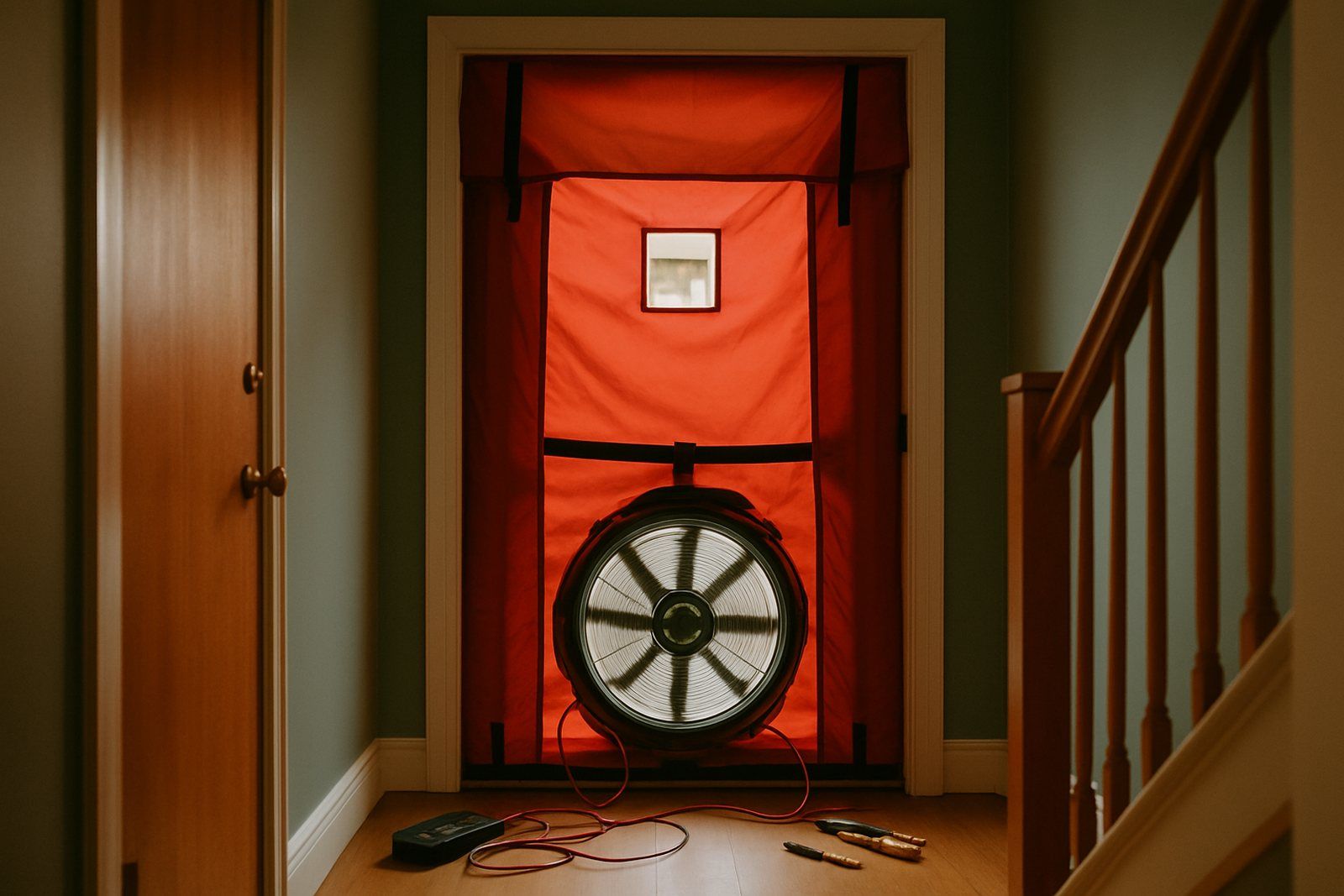
What a home energy audit includes, what it costs, how to find a BPI or RESNET certified pro, free utility audits, and a DIY checklist you can do today.

How to read U-factor and SHGC on the NFRC label, ENERGY STAR window zones, honest payback math, low-e storm windows, and energy-efficient doors.