Rebates & help
Home Energy Rebates by State: Which States Have Launched in 2026
Which states have launched federal Home Energy Rebates (HOMES and HEAR), what DOE Notice 26-2 changed in 2026, and how to apply in your state.
Topics
For US homeowners · updated for 2026
Plain-English guides to heat pumps, insulation, windows, water heaters and thermostats, plus the rebates and bill help that still exist in 2026. Every fact is sourced and dated.
What applies right now, in one place. Last checked .
No credit for upgrades placed in service after December 31, 2025. 2025 work is claimed on the 2025 return. What changed
Installations completed after December 31, 2025 do not qualify, even if paid for in 2025. IRS FAQ
State-run rebates up to $8,000 (HOMES) and $14,000 (HEEHR). New DOE rules since May 29, 2026. Rebates by state
Free upgrades for income-eligible households, generally up to 200% of the poverty guidelines. Bill help guide
Help paying heating and cooling bills through your state or local agency. Check your income in our calculator. Income check
Start with the part of the house that costs you the most.
Which states have launched federal Home Energy Rebates (HOMES and HEAR), what DOE Notice 26-2 changed in 2026, and how to apply in your state.

The 25C and 25D home energy tax credits ended after 2025. Here is what you can still claim on a 2025 return and what help remains for 2026 upgrades.
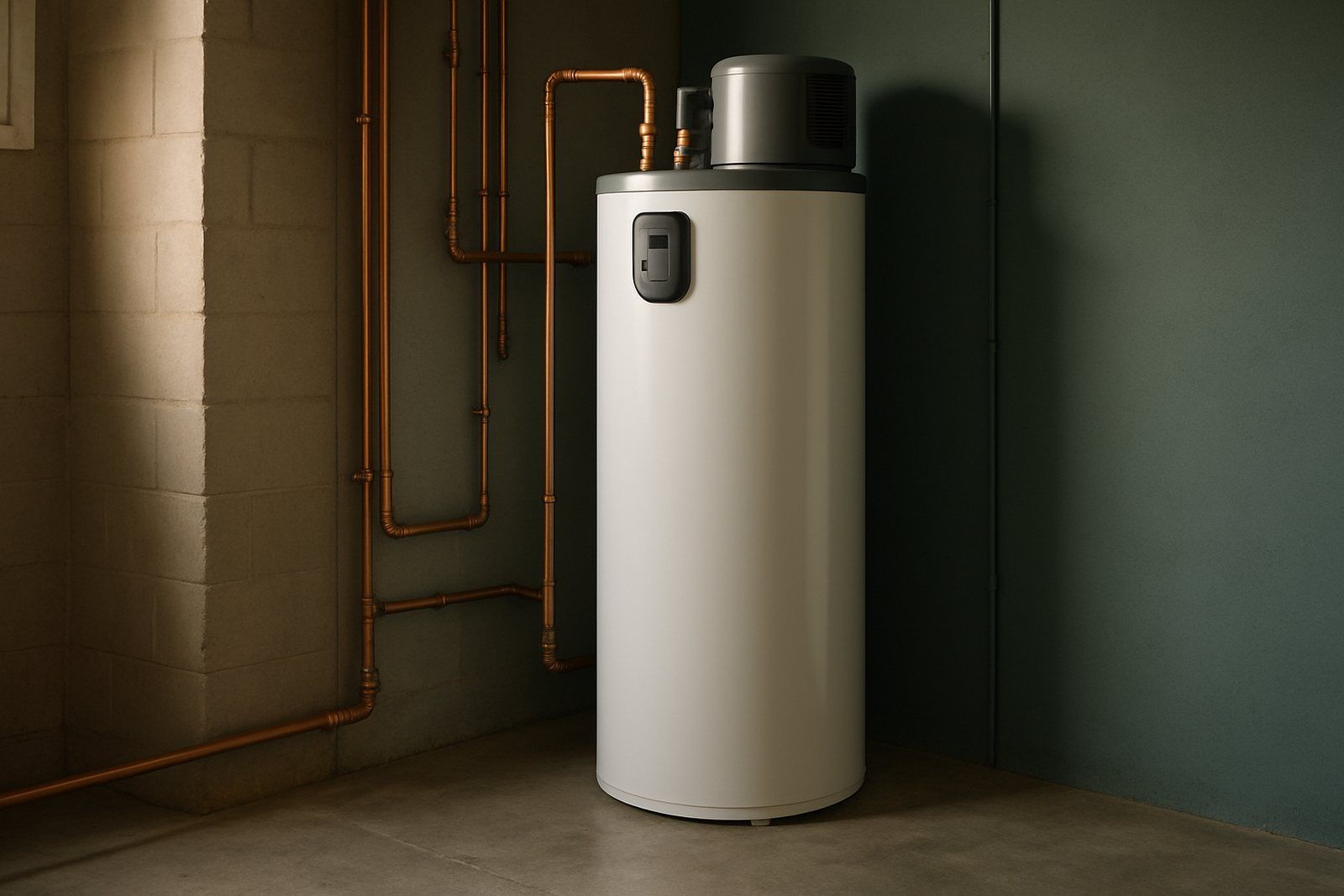
How much a heat pump water heater saves, how to size it with first hour rating and UEF, where it can go, 120V vs 240V, costs, and how it compares with gas.
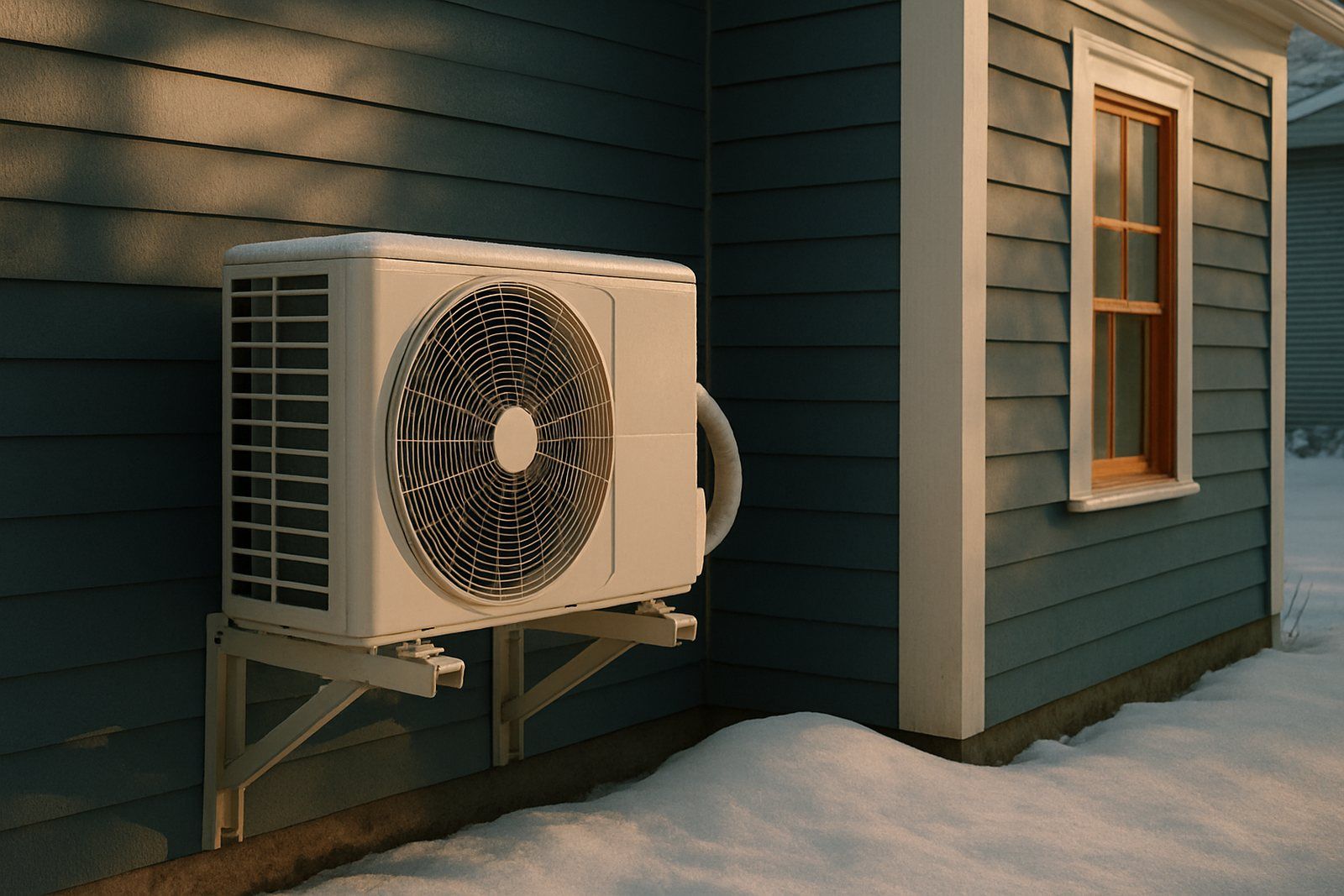
How cold-climate heat pumps perform below freezing, what the ENERGY STAR cold-climate label requires at 5°F, how to use the NEEP list and plan backup heat.

How to get help paying your energy bills in 2026: LIHEAP, free weatherization, utility payment plans, budget billing, shutoff protections and how to apply.

Ways to lower your energy bill, ranked from free habit changes to low-cost fixes and big upgrades, with official savings figures and where to find help.
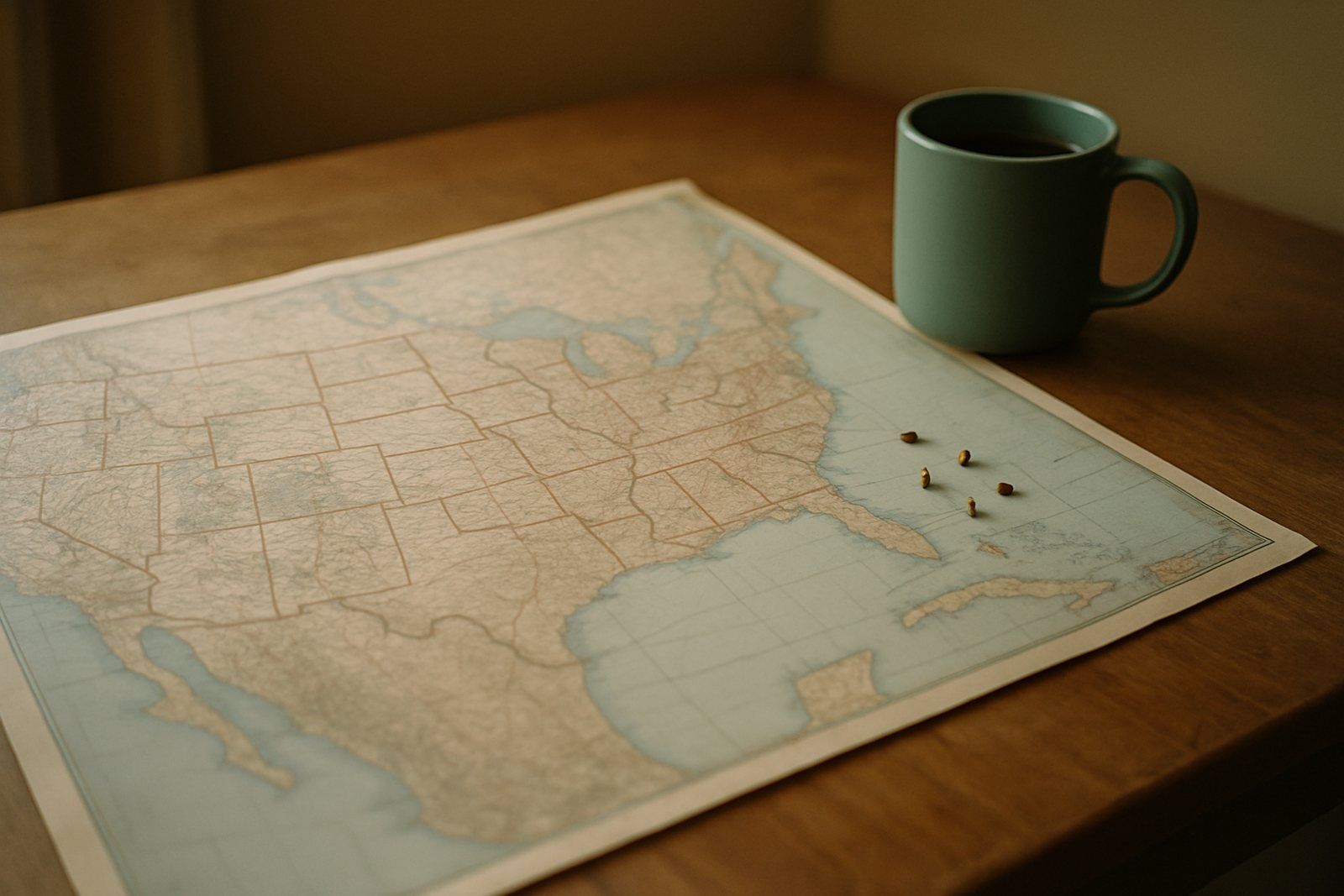
Federal Home Energy Rebates are run by each state, and only some have launched. Pick your state to see what is live and where to apply.
Start with no-cost changes: adjust the thermostat a few degrees, lower the water heater to about 120°F, and cut standby power. Then seal air leaks and add attic insulation, which are usually the cheapest upgrades with lasting savings. Our ranked guide to lowering energy bills orders the steps by cost and payback.
No. The federal 25C credit ended for equipment placed in service after December 31, 2025, under the law signed July 4, 2025. If your heat pump was installed in 2025, you claim it on your 2025 tax return. For 2026 projects, look at state rebates, utility rebates and local programs instead.
No. The HOMES and HEEHR rebates are funded federally but run by states. As of the NASEO tracker update of September 30, 2026, 13 states and the District of Columbia had launched at least one program. Use the state checker on this page or our state-by-state guide to see yours.
It depends on your local electricity and gas prices and your climate. Heat pumps almost always beat propane, heating oil and electric resistance heat. Against cheap natural gas, savings can be small or negative. Our heat pump savings calculator compares the two with your own prices.
The federal Weatherization Assistance Program serves income-eligible households, generally at or below 200% of the federal poverty guidelines, with priority for older adults, people with disabilities and families with children. Local agencies run it and may have waiting lists, so apply early.
It is not required, but an audit with a blower door test shows where your house actually loses energy, so you spend money in the right order. Many utilities offer free or discounted audits, and some state rebate programs require an assessment before a whole-home project.
No. Home Energy Guide Hub is an independent educational publication. We do not sell products or leads, and no company pays to be mentioned. Our advertising disclosure explains how we would label any paid relationship if that ever changes.
We re-check federal and state incentive status regularly and whenever a law, IRS notice or DOE guidance changes. The date at the top of every page and on the status board shows the last check. If you spot something out of date, please contact us.
One short email when rebate or tax rules change, plus new guides. No ads, unsubscribe any time.