
Audits & planning
How to Lower Your Energy Bill: No-Cost, Low-Cost and Big Upgrades
Ways to lower your energy bill, ranked from free habit changes to low-cost fixes and big upgrades, with official savings figures and where to find help.
Topics
Short answer
A home energy audit is an inspection that shows where your home wastes energy and which fixes pay off first. A professional audit usually includes a blower door test, an infrared scan and safety checks. DOE puts the cost at roughly $250 to $600 or more, and many utilities offer audits free or at a reduced price.
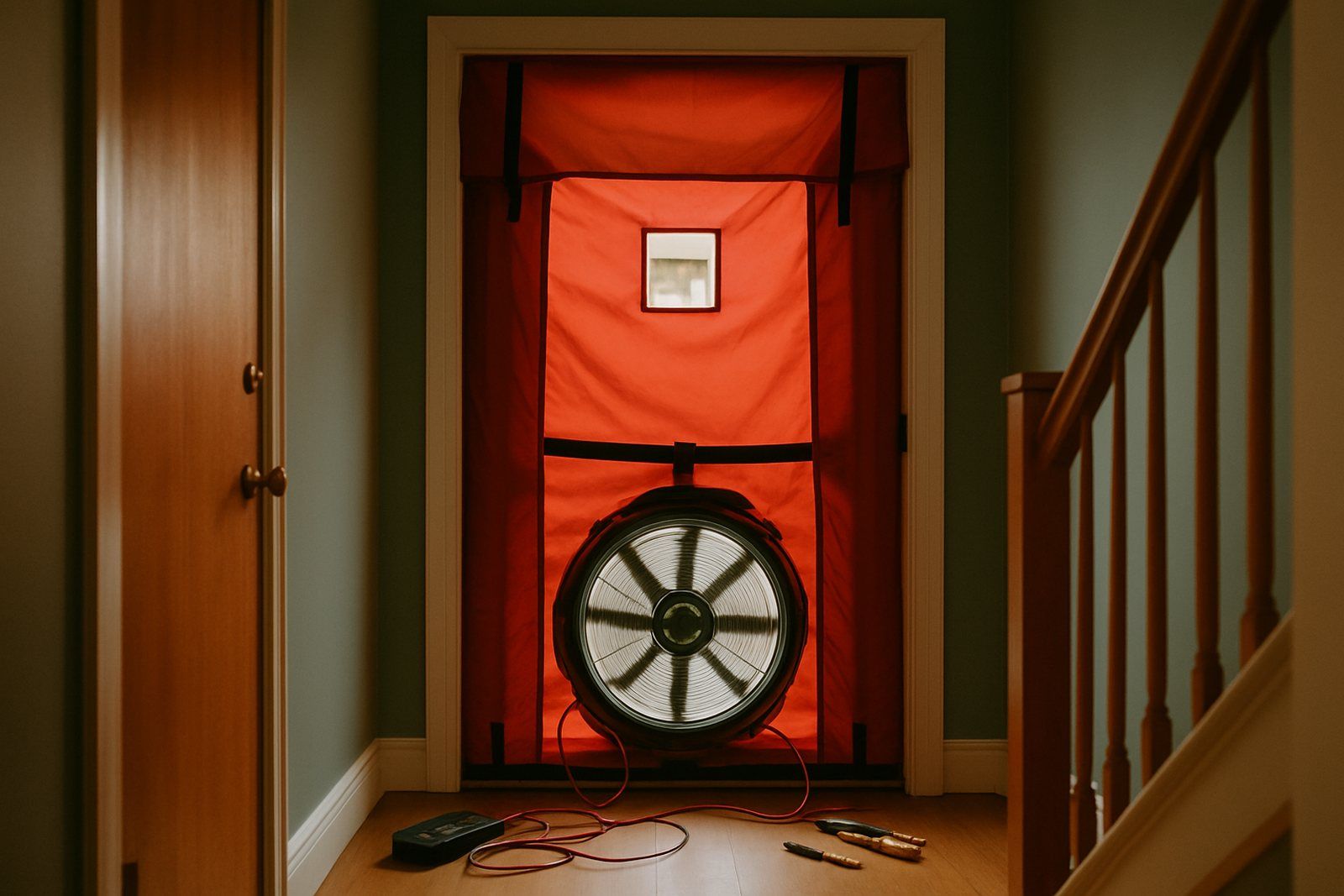
A home energy audit tells you exactly where your house is wasting energy, so you can spend money on the fixes that matter instead of guessing. The U.S. Department of Energy (DOE) calls an assessment the essential first step to lowering energy bills. This guide covers what a professional audit includes, what it costs, how to find a qualified auditor, free and low-cost options, and a do-it-yourself checklist you can start today.
A professional audit usually includes an interview about your bills and comfort problems, a walk-through of the home, a blower door test to measure air leakage, an infrared scan to find hidden leaks and missing insulation, and checks on heating, cooling and safety. You should get a written report with prioritized recommendations.
DOE describes an in-depth assessment in three phases:
The blower door test measures how airtight your house is. A powerful fan is mounted in a panel that fits an exterior door frame. It pulls air out of the house, lowering the pressure inside, so outdoor air rushes in through every gap. The auditor then uses a smoke pencil to find the leaks.
DOE advises making sure the auditor uses a calibrated blower door connected to a pressure gauge called a manometer. That gives an exact measurement of air leakage. A blower door without that gauge can spot leaks but cannot tell you how much air your house is losing.
An infrared camera shows temperature differences along walls, ceilings, windows and doors. Warmer and cooler areas show up as lighter and darker patches. When the scan is done while the blower door runs, air leaks appear as dark streaks, which makes them easy to find. It can also show wall cavities where insulation is missing or has settled.
Some auditors also use a duct blower, a smaller fan connected to your ductwork, to measure how much air leaks from the ducts. That matters: ENERGY STAR estimates that about 20% to 30% of the air moving through a typical duct system is lost through leaks, holes and poor connections.
During the audit, DOE notes the assessor may inspect your heating and cooling systems, test for natural gas leaks and check that the home is properly ventilated. If you have gas, oil or propane appliances, ask whether the auditor does combustion safety testing. That matters most after air sealing, because a tighter house can change how appliances vent.
DOE estimates a professional home energy assessment costs approximately $250 to $600 or more. The price depends on the size of your home, how many tests are done and where you live. Many utilities offer audits free or at a reduced cost, and some contractors discount the audit if you hire them for the upgrades.
Source: U.S. DOE Energy Saver, Consumer Guide to Home Energy Assessments; DOE Weatherization Assistance Program (as of October 2026).
| Audit option | Typical cost |
|---|---|
| DIY walk-through | $0 |
| Weatherization (if eligible) | $0 |
| Professional audit, low end | $250 |
| Professional audit, high end | $600 |
Because prices vary so much by region, get at least three written quotes and compare what each one includes. Here is how the common options compare:
| Audit type | What it usually includes | Typical cost | Best for |
|---|---|---|---|
| DIY walk-through | Visual check for drafts, insulation, equipment age | Free | A first look before spending money |
| Utility walk-through | Quick visit, simple fixes, sometimes free LEDs or showerheads | Often free or low cost | Renters and owners wanting easy wins |
| Full professional audit | Blower door, infrared scan, combustion safety, written report | About $250 to $600 or more (DOE) | Owners planning insulation, sealing or HVAC work |
| Weatherization Assistance Program | Audit plus free weatherization work | Free for eligible households | Income-eligible homeowners and renters |
| State Home Energy Rebates program | Energy modeling or measured savings tied to rebates | Varies by state | Homes in states with a launched program |
Not for 2026. The federal Energy Efficient Home Improvement Credit (25C) allowed up to $150 for a home energy audit, but it does not apply to property placed in service after December 31, 2025. An audit done in 2025 may still qualify on your 2025 tax return, so check with a tax professional. Our guide to energy tax credits in 2026 explains what changed and why.
Look for an auditor certified by the Building Performance Institute (BPI) or the Residential Energy Services Network (RESNET). DOE also suggests asking your electric or gas utility and your state or local energy or weatherization office, which often keep lists of approved auditors tied to their rebate programs.
Questions to ask before you book:
Yes, often. Many electric and gas utilities offer free or reduced-cost audits. Income-eligible households can get an audit plus free weatherization through DOE’s Weatherization Assistance Program. Some state Home Energy Rebates programs also include an assessment as part of the process.
Utility programs. Search your utility’s website for “home energy assessment” or “home energy audit,” or call customer service. Some programs give free LED bulbs, low-flow showerheads or pipe insulation during the visit.
Weatherization Assistance Program (WAP). DOE’s WAP gives free weatherization to income-eligible households, generally up to 200% of federal poverty guidelines, and households receiving SSI or TANF are often automatically eligible. States set the details. Congress funded the base program at about $329 million for fiscal year 2026. Apply through your state weatherization office or local community action agency. Our guide to help paying energy bills explains how to apply.
State Home Energy Rebates. The federal Home Energy Rebates are run by states, and only some states have launched programs. The whole-home HOMES program rewards projects that cut modeled energy use by at least 20%, or measured use by at least 15%, which usually means an assessment first. Since DOE Program Notice 26-2 took effect on May 29, 2026, households must generally address insulation and air sealing before getting appliance rebates. See home energy rebates by state to check your state.
The Home Energy Score is a DOE rating that DOE’s Energy Saver guide compares to a miles-per-gallon rating for a car. It estimates a home’s energy performance, lets owners, buyers and renters compare homes, and comes with recommendations for cost-effective upgrades. Some programs and real estate listings use it. Ask your auditor or utility whether they offer it.
A DIY audit is a careful walk-through looking for air leaks, thin insulation, old equipment and wasteful habits. DOE says it will not be as thorough as a professional assessment, but it can help you find easy fixes and decide whether a pro is worth it. It costs nothing but an afternoon.
DOE describes a basic depressurization test, ideally on a cool, windy day:
When you are done, turn the appliances back on and confirm pilot lights relit. If you smell gas at any point, leave the house and call your gas utility from outside.
You get a report that ranks the recommended upgrades. Often the best value comes first from air sealing and attic insulation, then duct sealing, then equipment upgrades when old systems need replacing. Use the report to collect quotes and to apply for any utility or state rebates.
DOE says sealing uncontrolled air leaks can save 10% to 20% on heating and cooling bills, and ENERGY STAR estimates sealing and insulating can save up to 10% on total annual energy bills. Our air sealing guide walks through the common fixes. If the report recommends new heating and cooling equipment, get at least three written quotes that include a proper load calculation.
Source: ENERGY STAR Duct Sealing and Seal and Insulate; U.S. DOE Energy Saver; IRS (as of October 2026).
Ask for a “test out” after major work. A second blower door test confirms the leakage actually went down, and a repeat combustion safety test confirms appliances still vent safely.
A home energy audit is the smartest first step before spending on insulation, windows or a new heating system. A professional audit with a blower door, infrared scan and combustion safety testing costs roughly $250 to $600 or more, according to DOE, but your utility may offer one free or at a discount. Choose a BPI or RESNET certified auditor, get a written report that ranks upgrades, and start with the low-cost fixes it identifies. If money is tight, check the Weatherization Assistance Program first.
Plan for a few hours. DOE's Energy Saver guide says some basic audits take about an hour and need no special equipment, while more thorough assessments take about four hours and use diagnostic tools such as a blower door and infrared camera. Larger or older homes can take longer. You usually need to be home so the auditor can ask about comfort problems and get access to the attic, basement, crawlspace and mechanical equipment.
It depends on the program. Some free utility audits are quick walk-throughs that focus on lighting and simple fixes, while others include a full blower door test and a written report. Ask the utility what tests are included, whether the auditor is certified, and whether you get a report with prioritized recommendations. A free walk-through can still be a useful first step, and some programs offer a deeper paid audit with rebates attached.
Possibly. The Weatherization Assistance Program, funded by DOE and run through state and local agencies, provides free weatherization for income-eligible households, and an energy audit is part of that process. Eligibility is generally up to 200% of federal poverty guidelines, and households receiving SSI or TANF are often automatically eligible, though states set details. Contact your state weatherization office or local community action agency to apply.
Make a list of problems you have noticed, such as drafty or uncomfortable rooms, condensation on windows, ice dams or high bills. DOE also suggests having copies or summaries of recent energy bills ready. Clear a path to the attic hatch, basement, crawlspace, furnace and water heater. For a blower door test, close windows and plan to keep the fireplace cold, with ashes cleaned out, because the test pulls air through every opening.
A blower door test measures how leaky your house is. The auditor seals a powerful fan into an exterior door frame and pulls air out of the house while a pressure gauge called a manometer records airflow. Results are often reported as air changes per hour at 50 pascals of pressure, or ACH50. Lower numbers mean a tighter home. Ask your auditor to explain your number, what is typical for homes like yours, and the target after air sealing.
Not for audits done in 2026. The federal Energy Efficient Home Improvement Credit, known as 25C, included up to $150 for a home energy audit, but it does not apply to property placed in service after December 31, 2025. If you had a qualifying audit in 2025, you may be able to claim it on your 2025 return. Check IRS guidance or a tax professional, and look for state or utility audit incentives instead.
A thorough audit should. DOE notes the assessor may inspect your heating and cooling systems, test for natural gas leaks and check that the home is properly ventilated. Many certified auditors also do combustion safety testing on gas, oil and propane appliances, which checks that exhaust gases vent outdoors properly. Ask before booking whether combustion safety testing is included. Every home with fuel-burning appliances should also have working carbon monoxide alarms.
A home inspection, usually done when buying a house, looks at the condition and safety of the structure, roof, plumbing and electrical systems. An energy audit focuses on how much energy the home uses and where it is lost, using tools such as a blower door and infrared camera. Some inspectors are also trained energy auditors, but the two services are different. If you are buying, you can ask for both.
Ways to lower your energy bill, ranked from free habit changes to low-cost fixes and big upgrades, with official savings figures and where to find help.
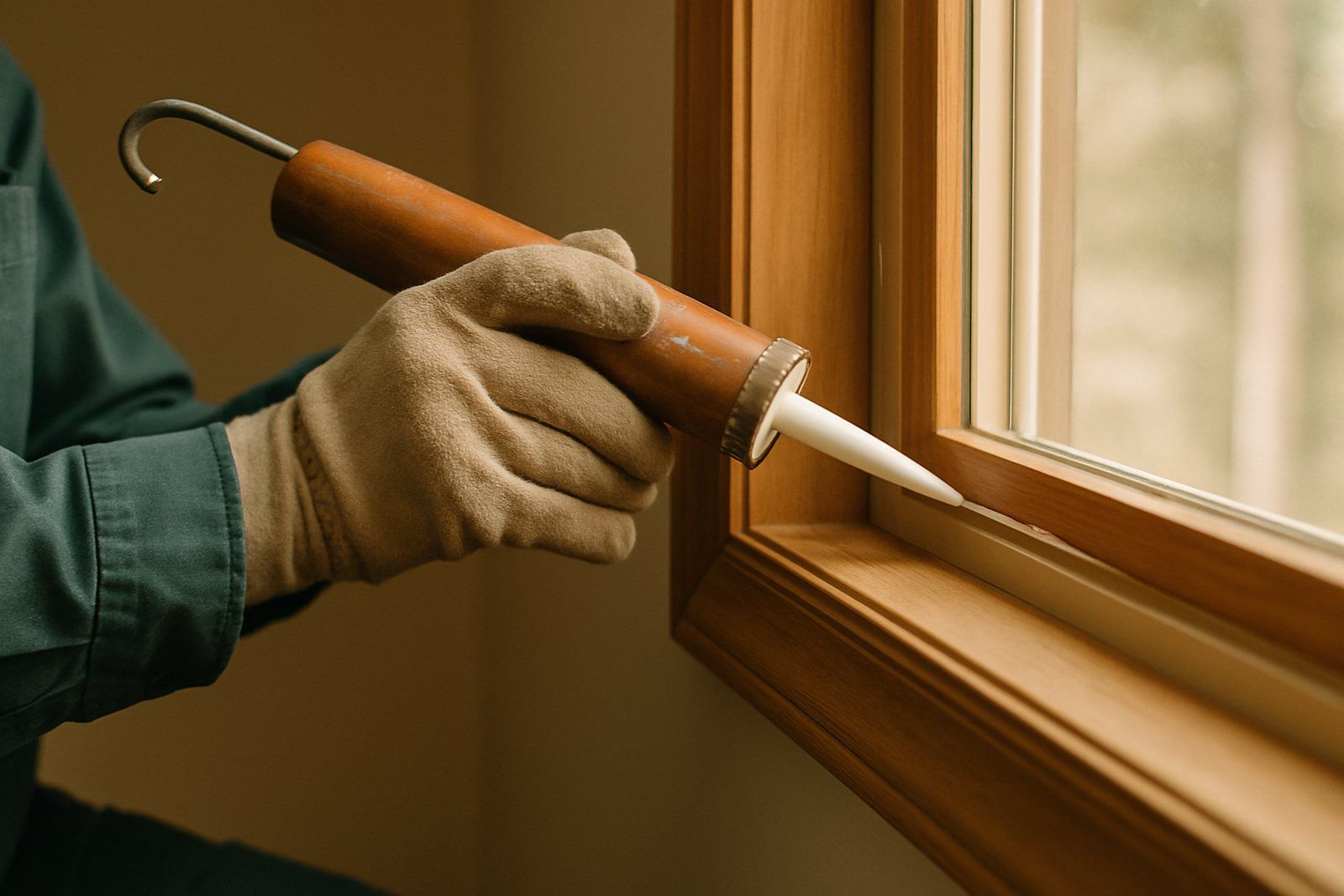
Where homes leak air, how to find leaks, what a blower door test shows, DIY caulk and weatherstripping, attic bypasses, and combustion safety.
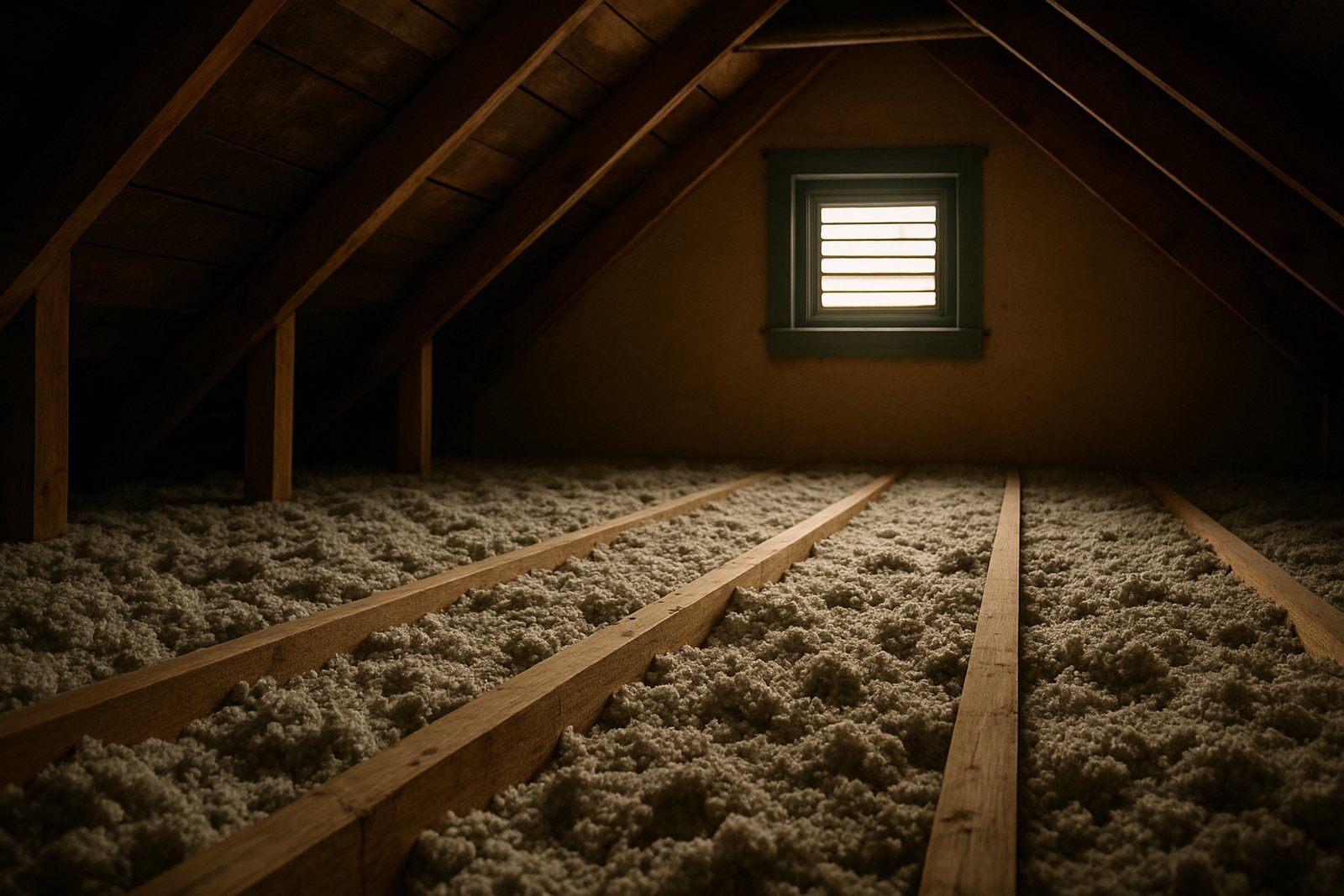
How much attic insulation you need by climate zone, how to check what you have, which material to choose, DIY vs pro, and why to air seal first.